

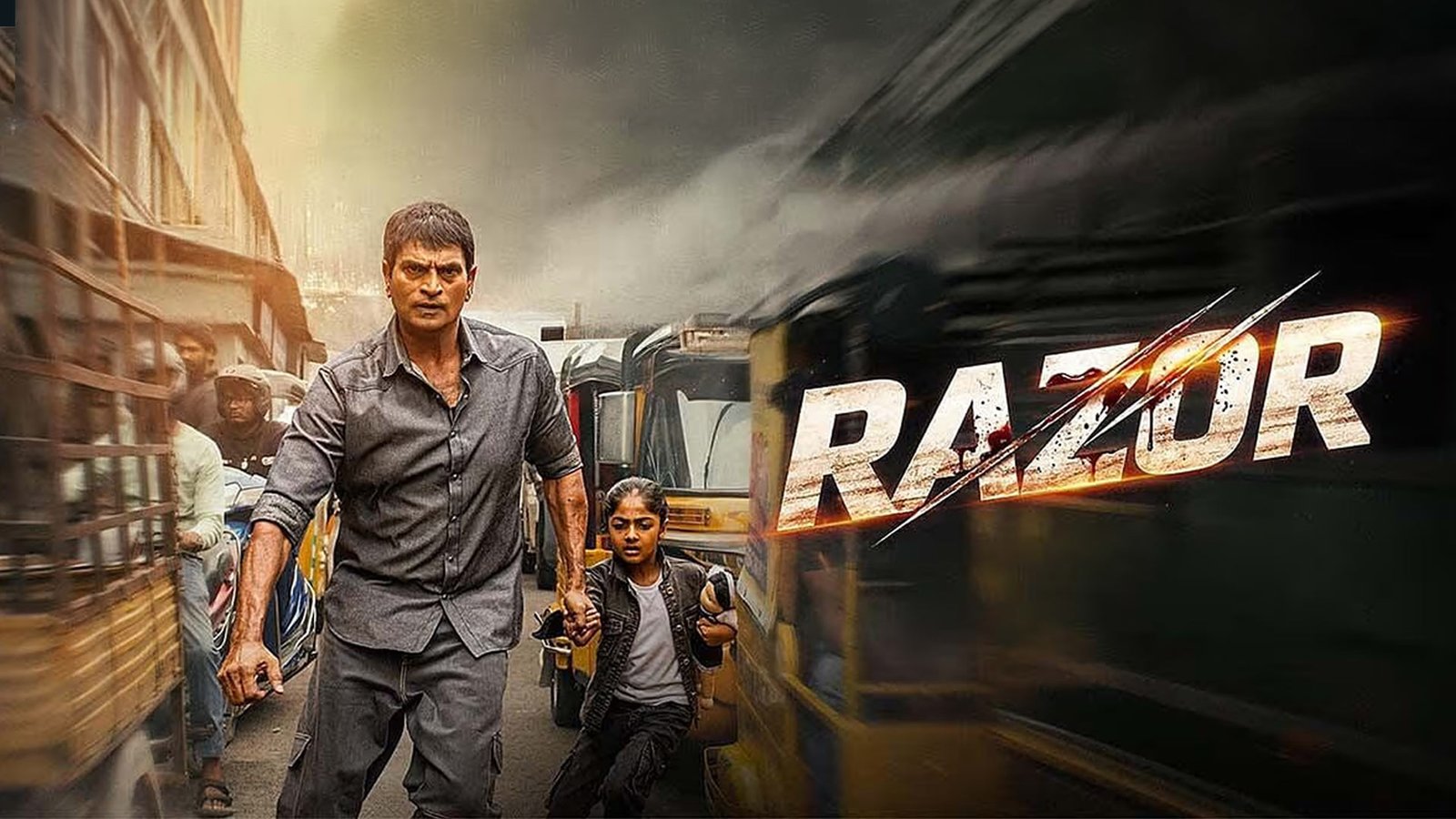
Razor – A Sharp, Stylish, and Intense Thriller That Cuts Deep Into Human Psychology
Razor is the kind of film that immediately grabs attention with its title alone. It suggests sharpness, danger, precision, and something emotionally cutting. True to its name, the movie delivers a tense, stylish, and psychologically driven experience that focuses on human instincts, hidden motives, and the consequences of choices made under pressure.
Unlike conventional thrillers that depend only on action or predictable twists, Razor builds its impact through mood, storytelling, and character psychology. It is a film that slowly tightens its grip on the audience, much like a blade that becomes sharper as the story progresses.
Story and Core Concept
At its foundation, Razor is a psychological thriller layered with crime, emotional conflict, and moral ambiguity. The story revolves around individuals who are trapped in situations where survival, truth, and deception overlap.
Instead of presenting a clear hero or villain, the film explores morally grey characters. Each character has personal motivations, hidden fears, and emotional wounds that shape their decisions. This makes the story unpredictable and engaging.
The central idea of the film revolves around consequences. Every action leads to another reaction, and every decision slowly builds tension until everything reaches a breaking point. The screenplay is structured in a way that keeps the audience guessing while gradually revealing deeper truths.
What makes the concept interesting is its psychological depth. It is not just about external conflict but also internal struggle—fear, guilt, revenge, trust issues, and survival instincts.
Screenplay and Storytelling Style
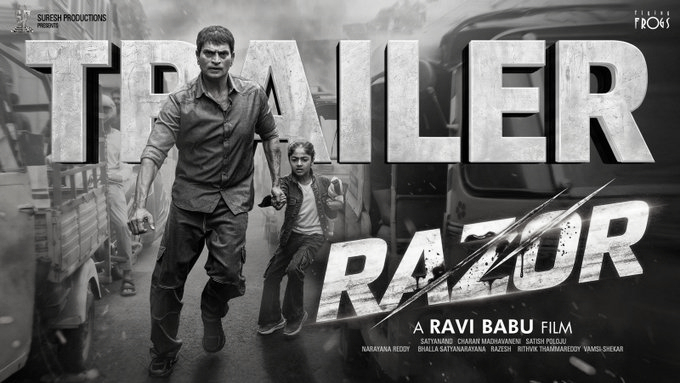
The screenplay of Razor is one of its strongest elements. It is tight, focused, and carefully constructed to maintain suspense throughout the film.
The narrative does not rush. Instead, it slowly builds tension through small details, character interactions, and subtle clues. This approach makes the audience actively engage with the story, trying to predict what will happen next.
Dialogues are minimal but impactful. Many scenes rely more on expressions, silence, and visual storytelling rather than heavy conversations. This enhances the thriller atmosphere.
The film also uses non-linear storytelling techniques in certain parts, which adds complexity and depth to the narrative. Flashbacks are used effectively to reveal character backgrounds and hidden motivations.
Performances – Strong and Emotionally Controlled
The performances in Razor play a crucial role in making the film effective. The actors deliver controlled, realistic portrayals rather than exaggerated expressions.
The lead actor stands out with a calm yet intense performance. His character is layered with emotional conflict, and he successfully portrays both vulnerability and strength. Whether in silent moments or high-tension scenes, the performance remains consistent and believable.
The supporting cast also contributes strongly to the narrative. Each character feels meaningful and connected to the story. There are no unnecessary roles; everyone has a purpose that adds value to the plot.
The antagonist (or opposing force) is particularly well-written. Instead of being a typical villain, the character is psychologically complex, making the conflict more interesting and less predictable.
Direction and Cinematic Vision
The direction of Razor is precise and confident. The filmmaker clearly understands the psychological thriller genre and uses visual storytelling effectively to build tension.
Every frame feels intentional. The camera angles, lighting, and composition are used to reflect mood and emotion. Dark tones, shadows, and tight framing create a sense of claustrophobia and suspense.
The director avoids unnecessary commercial distractions. There are no forced songs or unrelated comedic scenes. Instead, the focus remains strictly on storytelling and atmosphere.
The pacing is carefully balanced. While the film starts slowly, it gradually builds momentum until it reaches a powerful climax.
Action and Suspense Elements
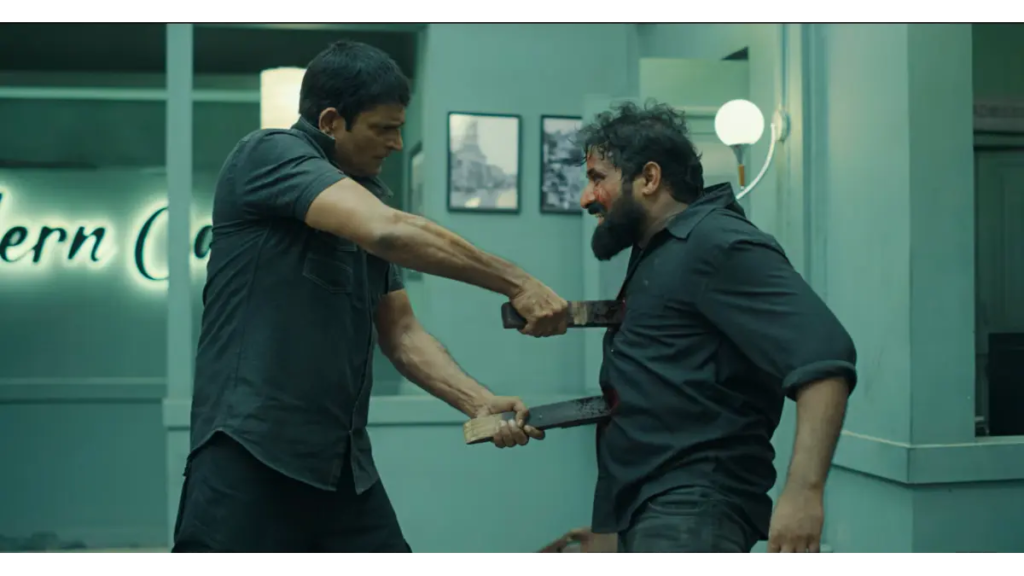
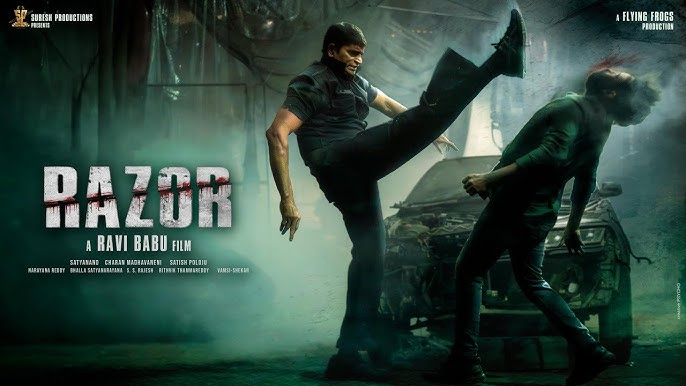
Although Razor is primarily a psychological thriller, it includes moments of action that feel realistic and grounded. The action sequences are not exaggerated; instead, they are raw and intense.
Each action scene is connected to the story and emotional stakes. This makes the violence feel meaningful rather than decorative.
Suspense is the real highlight of the film. The movie keeps the audience on edge through uncertainty, unexpected turns, and psychological tension. Even simple scenes carry underlying suspense due to strong background scoring and visual framing.
Music and Background Score
The background score in Razor plays a major role in building the film’s atmosphere. It is subtle, dark, and emotionally charged.
Instead of loud or overpowering music, the score focuses on enhancing tension and mood. In suspense scenes, the music slowly builds anxiety, while in emotional moments, it becomes soft and reflective.
The absence of commercial songs helps maintain the seriousness of the film. This decision strengthens the overall immersion and keeps the audience focused on the story.
Cinematography and Visual Tone
Visually, Razor stands out with its dark and stylish cinematography. The film uses lighting and color grading effectively to create a tense atmosphere.
Shadows are used creatively to reflect mystery and emotional depth. Close-up shots are often used to capture expressions and psychological tension.
Urban settings, night sequences, and confined spaces are filmed in a way that enhances suspense. The visual tone remains consistent throughout the movie, supporting its psychological theme.
The editing is sharp and precise, ensuring that the film never feels unnecessarily stretched.
Themes Explored in the Film
One of the strongest aspects of Razor is its thematic depth. The film explores several important psychological and emotional themes, including:
- Trust and betrayal
- Moral ambiguity
- Psychological pressure
- Revenge and justice
- Fear and survival instincts
- Consequences of decisions
Instead of preaching these themes, the film integrates them naturally into the story. Viewers are left to interpret moral questions on their own, which adds depth to the experience.
Emotional Layer Under the Thriller
While Razor is intense and suspense-driven, it also carries an emotional undercurrent. Characters are not just part of a thriller setup—they are emotionally driven individuals shaped by past experiences.
Moments of vulnerability are carefully placed within the narrative. These emotional scenes add depth to the characters and prevent the film from becoming purely mechanical or action-focused.
The emotional weight of the story is what makes the climax more impactful.
Pacing and Audience Engagement
The pacing of Razor may feel slow in the beginning, but it is intentional. The early buildup is necessary to establish characters, relationships, and motivations.
Once the story gains momentum, it becomes highly engaging. The second half of the film is particularly intense, with multiple twists and revelations that keep the audience invested.
The film rewards patience, especially for viewers who enjoy intelligent storytelling rather than instant gratification.
Why Razor Stands Out
What makes Razor different from typical thrillers is its psychological focus. Instead of relying on predictable action sequences or cliché storytelling, the film builds tension through character psychology and emotional complexity.
The movie also avoids unnecessary commercial elements, which helps maintain its serious tone. Every scene feels purposeful and contributes to the overall narrative.
Its combination of strong direction, controlled performances, and atmospheric storytelling makes it a memorable experience.
Audience Experience
Razor is best suited for viewers who enjoy:
- Psychological thrillers
- Dark and intense storytelling
- Character-driven narratives
- Suspense with emotional depth
It is not a typical mass entertainer, but rather a film that demands attention and interpretation. Viewers who appreciate thoughtful cinema will find it rewarding.
Final Verdict
Razor is a sharp and gripping psychological thriller that delivers intensity, suspense, and emotional depth in equal measure. With strong performances, stylish cinematography, a haunting background score, and intelligent storytelling, the film successfully creates a tense and immersive experience.
It may not appeal to audiences looking for light entertainment, but for those who enjoy dark, thought-provoking thrillers, Razor offers a satisfying cinematic journey.
Rating: 4.2/5